Ansylia: A Script Font for Creative Branding and Design Flexibility
There’s something oddly satisfying about opening a blank brand board and starting from scratch. I was recently working on a boutique identity project for a local handmade shop, and I found myself staring at the canvas, wondering what font would best capture the essence of their craft-focused aesthetic. That’s when I pulled out Ansylia—a thin and casual script font that immediately felt like it belonged in this space.
Ansylia for Handmade Shop Branding and Crafty Visuals
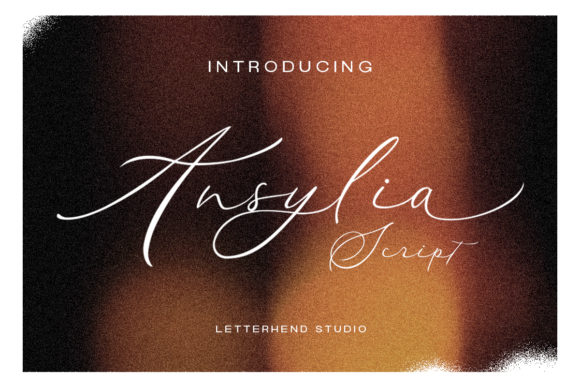
Ansylia is a Script Handwritten font that leans into simplicity and elegance. Its thin, flowing strokes give it a natural, handwritten feel that feels both modern and nostalgic. When I first tested it on the shop’s logo concept, I was struck by how effortlessly it conveyed warmth and authenticity. It’s not overly ornate, which makes it versatile enough to work across different design assets without overwhelming the viewer.
I used Ansylia as the primary typeface for the shop’s branding, pairing it with a clean sans serif font for body text. The contrast between the two created a visual rhythm that felt intentional and balanced. On business cards, packaging labels, and social media graphics, Ansylia added a touch of personality without overshadowing the rest of the design.
Ansylia for Packaging Design and Product Labels
When designing mockups for the shop’s product packaging, I wanted something that felt handcrafted but still professional. Ansylia fit the bill perfectly. Its thin stroke weight made it ideal for small print areas, while its casual flow gave the packaging a friendly, approachable vibe. I placed it on a label for a handmade soap set, and it looked great against the earthy tones of the packaging—subtle yet impactful.
One thing I noticed is that Ansylia works best in short phrases or display text. For longer body copy, it can become less readable, especially at smaller sizes. That said, for product labels, taglines, or promotional banners, it’s an excellent choice. It adds character without sacrificing clarity, which is a rare balance in a script font.
Ansylia for Social Media Graphics and Web Design
Social media is where many brands find their voice, and Ansylia has a natural presence there. I tested it on a few Instagram posts and website headers, and it consistently delivered a cohesive look that aligned with the shop’s brand identity. Its thin strokes are well-suited for digital formats, where legibility and visual appeal are key.
On the website header, Ansylia helped set the tone for the entire site—friendly, creative, and inviting. It worked well with a minimalist layout, adding just the right amount of flair without being distracting. However, I did notice that on high-contrast backgrounds, the font could become harder to read. This is something to keep in mind when using Ansylia in web design or social media graphics.
Ansylia for Logo Design and Brand Identity
Logo design is one of the most critical aspects of any brand, and I found Ansylia to be a reliable choice for this purpose. When creating the shop’s logo, I used Ansylia as the main typeface, complemented by a geometric sans serif font for the supporting text. The result was a logo that felt both unique and professional.
The font’s casual script style gives it a personal touch, which is perfect for brands that want to convey creativity and individuality. However, I would caution against using Ansylia for formal corporate logos or highly structured brand identities. It’s more suited for creative studios, independent businesses, and lifestyle brands that value personality over strict professionalism.
Ansylia for Editorial Design and Creative Projects
Ansylia also shines in editorial design and creative projects. I used it in a flyer for a local art event, where it helped create a sense of community and artistic freedom. Its flowing lines and organic feel made it a natural fit for the event’s theme. I paired it with a bold sans serif font for headlines, creating a dynamic contrast that caught the eye.
For longer editorial pieces, Ansylia is better used as an accent font rather than a body text font. It works well in headlines, pull quotes, and decorative elements, but it lacks the structure needed for extended reading. That said, for creative layouts, posters, and flyers, it’s a fantastic tool that can elevate the overall design.
Before finalizing any client work, I always recommend testing fonts across different mediums and sizes. Ansylia is no exception—it’s important to preview it on printed materials, digital screens, and various background colors to ensure it maintains its intended impact.
Ansylia for Designers Seeking Versatile Script Fonts
If you’re a designer looking for a Script Handwritten font that balances beauty with practicality, Ansylia is worth considering. It’s not the most dramatic or elaborate script font, but its simplicity and elegance make it incredibly versatile. Whether you’re working on a logo, packaging, social media post, or editorial layout, Ansylia can add a subtle yet meaningful touch.
When pairing Ansylia with other fonts, consider matching it with a clean sans serif or a bold serif font to create contrast and balance. It also pairs well with modern typography systems that emphasize minimalism and visual harmony. Just be mindful of readability, especially in larger bodies of text.
Finally, always check the commercial font licensing before using Ansylia in client work, brand identity, packaging, or digital products. Ensuring proper usage rights will protect both you and your clients in the long run.